Hong Mei
Academician of the Chinese
Academy of Sciences (CAS)
Fellow of the
World Academy of Sciences for the Advancement of Science in
Developing Countries (TWAS)
Foreign Member
of
the Academia Europaea
Fellow of ACM, CCF, and IEEE.
Biography:Professor
Mei Hong is a distinguished
computer software
expert, Academician of the Chinese Academy of Sciences (CAS),
Fellow of the World Academy of Sciences for
the Advancement of Science in Developing Countries (TWAS), Foreign
Member of the Academia Europaea, and
Fellow of ACM, CCF, and IEEE. He is the Director of the Key
Laboratory of High Confidence Software
Technologies (Peking University), Ministry of Education. Since
1992, he has been with Peking University,
where he previously served as Dean of the School of Electronics
Engineering and Computer Science. He has
also held leading positions as Vice President of Shanghai Jiao
Tong University, Vice President and Executive
Vice President of Beijing Institute of Technology, Vice President
of the Academy of Military Sciences, and
President of the 12th Board of the China Computer Federation
(CCF). Professor Mei has received numerous
prestigious awards, including the First and Second Prizes of the
National Technological Invention Award, the
Second Prize of the National Natural Science Award, the Second
Prize of the National Science and Technology
Progress Award, the Ho Leung Ho Lee Prize for Scientific and
Technological Progress, the Tan Kah Kee Science
Award in Information Technology Science, and the IEEE Computer
Society Technical Achievement Award, among
others.
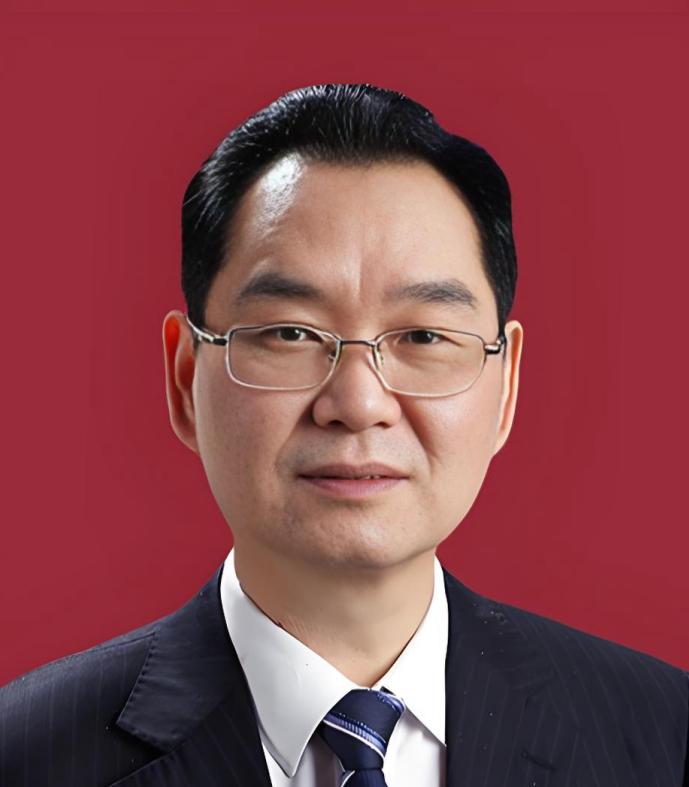
Xiaoping Chen
Academician of the Chinese
Academy of Sciences
Professor, Chief Physician, and Doctoral Supervisor at Tongji
Hospital, Tongji Medical College, Huazhong
University of Science and Technology
Director of the Academic Committee of Tongji Hospital
Title: Medicine 4.0: The Paradigm Shift in the Digital Era
Biography:Chen
Xiaoping, Academician of the
Chinese Academy of Sciences, is a Professor, Chief Physician, and
Doctoral Supervisor at Tongji Hospital,
Tongji Medical College, Huazhong University of Science and
Technology. He also serves as the Director of the
Academic Committee of Tongji Hospital. Dedicated to the clinical
treatment and basic research of
hepatobiliary and pancreatic diseases over the long term, he is
one of the key pioneers in the field of
liver surgery in China.
Academician Chen has made systematic and innovative contributions
in areas such as liver cancer surgery,
liver transplantation, hepatolithiasis, and portal hypertension,
proposing several internationally
influential surgical theories and techniques. He has led multiple
national key research and development
programs, major projects of the National Natural Science
Foundation of China, and provincial-level research
initiatives. He has published hundreds of academic papers, with
several appearing in top-tier international
journals such as Annals of Surgery, Hepatology, and Journal of
Hepatology.
As the primary recipient, he has been awarded the National Science
and Technology Progress Award (Second
Class), the National Technology Invention Award (Second Class),
and numerous provincial and
ministerial-level science and technology prizes. Currently, he
serves as an editorial board member or
advisory editor for several domestic and international
professional journals, including Annals of Surgery
and the Chinese Journal of Hepatobiliary Surgery. As a leading
academic figure in Chinese surgery, he has
made outstanding contributions to promoting the international
development of hepatobiliary surgery in China.
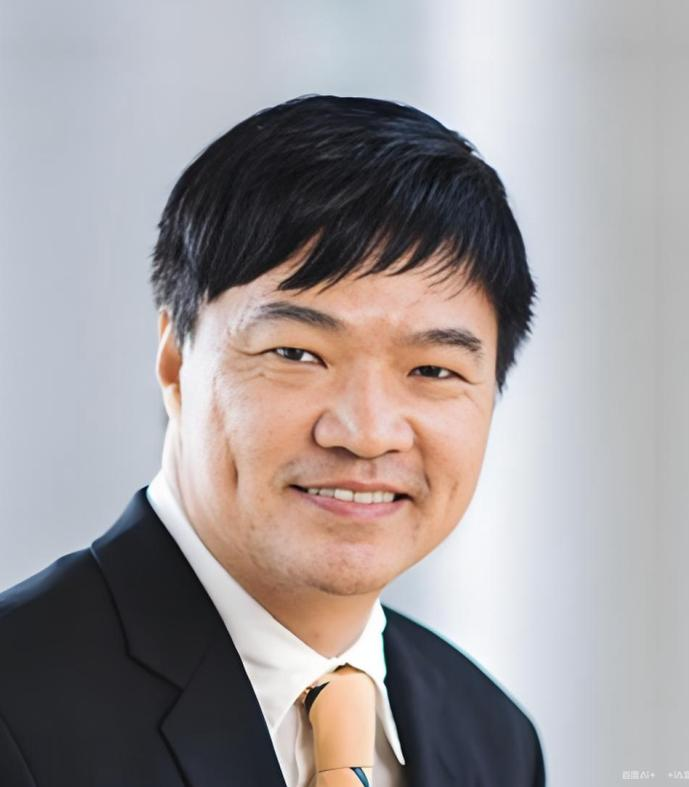
Beng Chin Ooi
Foreign Member of the Chinese
Academy of Sciences
Fellow of the Singapore Academy of Sciences
Fellow of the Academy of Engineering Singapore
Foreign Member of the European Academy of Sciences
Fellow of the ACM
Fellow of the IEEE
Fellow of the CCF
Title: Transforming Healthcare With
AI-powered Data Systems and Analytics
Abstract:
Data and AI are at the forefront of
innovation, propelled by recent breakthroughs of key technologies,
such as foundation models, system
architecture, and cloud connectivity. The development has
disrupted many existing practices and operational
models, and is likely to cause further transformation and paradigm
shifts. However, realizing its full
potential in specialized domains, such as healthcare, remains a
significant challenge, demanding innovative
systems and algorithmic solutions in addition to acceptance by key
stack holders. In this talk, I shall
first share an end-to-end pipeline of data processing and
analytics in healthcare, spanning from data
cleaning, integration to AI models to deployment. I shall next
present DIYHealth, which has been designed to
democratize and transform healthcare, as a first step towards
affordable and implementable prevention and
intervention through early detection, and management of various
diseases by reducing primary care to home
care. The DIYHealth suite consists of a large-scale DIYHealth-900K
dataset, a multimodal foundation model,
DIYHealthGPT, and a benchmark, DIYHealthBench. I shall speculate
on future healthcare ecosystems, where
AI-powered data systems and applications may enable better and
sustainable healthcare deliveries.
Biography:
Beng Chin is a Qiushi Chair Professor
at Zhejiang
University and a professor at the School of Software Technology,
Zhejiang University. Previously, he was
the Lee Kong Chian Centennial Professor and served as the Dean of
the School of Computing at the National
University of Singapore from 2007 to 2013. He was also an adjunct
Chang Jiang Professor at Zhejiang
University. Additionally, he is a Distinguished Visiting Chair
Professor at the National University of
Singapore, a Visiting Chair Professor at Peking University, and a
Visiting Distinguished Professor at
Tsinghua University. Beng Chin is a fellow of the ACM 2011, CCF
2024, IEEE 2009, Singapore National
Academy of Science (SNAS) 2016, and Singapore Academy of
Engineering (SAEng) 2023. He is a foreign member
of Academia Europaea 2022 and Chinese Academy of Sciences (CAS),
2023.
Beng Chin’s research focuses on the fundamental data and systems
abstractions of modern data-driven
applications. Beng Chin was the recipient of the 2009 ACM SIGMOD
Contributions award, 2020 ACM SIGMOD EF
Codd Innovations Award, and 2024 ACM SIGMOD Systems Award, and a
co-recipient of the 2011 Singapore
President’s Science Award. He was also the recipient of 2012 IEEE
Computer Society Kanai award, 2014 IEEE
TCDE CSEE (Computer Science, Engineering and Education) Impact
Award, 2016 China Computer Federation (CCF)
Overseas Outstanding Contributions Award.

Qiang Yang
Fellow of the Canadian Academy
of Engineering
Fellow of the Royal Society of Canada
Chief Artificial Intelligence Officer of WeBank
Professor Emeritus at the Hong Kong University of Science and
Technology
Title: Future AI Challenges and Solutions by Federated
Learning
Abstract:
With the development of large
Artificial Intelligence (AI) models, AI has entered a new era. One
challenge in the practical application of
large models is how to transfer the knowledge of general-purpose
large models to localized small models
while protecting the privacy and data security of all parties. In
this talk, I will first explore several
challenges faced by large AI models, then discuss how to use the
"federated LLM " framework to provide some
solutions.
Biography:
Professor Yang Qiang is a Fellow of
the Canadian Academy of Engineering (CAE) and the Royal Society of
Canada (RSC), Director of Hong Kong PolyU
Academy for AI, and Executive Vice President of the Chinese
Association for Artificial Intelligence (CAAI).
He is also a Fellow of CAAI, AAAI, ACM, IEEE and AAAS. He was the
founding EiC of top international journals
ACM Transactions on Intelligent Systems and Technology (ACM TIST)
and IEEE Transactions on Big Data. His
research focuses are the study and application of Transfer
Learning, Federated Learning and AI Planning. His
latest books are 《Transfer Learning》, 《Federated Learning》,
《Privacy-preserving Computing》,《AI
Model Watermarks》,etc. Professor Yang is a Professor Emeritus of
Hong Kong University of Science and
Technology and the Chief AI Officer Emeritus of WeBank. He has
also been conference or program chairs for
IJCAI and AAAI. He has been honored with the 2017 ACM SIGKDD
Distinguished Service Award and the 2023 IJCAI
Donald E. Walker Distinguished Service Award.

Albert Y. Zomaya
Peter Nicol Russell Chair
Professor of Computer Science at the
University of Sydney
Fellow of the IEEE, the Australian
Academy of Science, and the Royal Society of
New South Wales, and an elected member of Academia Europaea and
the European Academy of Sciences and
Arts.
Title:Medicine, Rewired: Generative AI Meets
Distributed Systems
Abstract:
Medicine is entering a new era—one
powered by the union
of distributed systems and generative AI. This talk examines how
these technologies, when combined, are
transforming the way we perceive, deliver, and experience
healthcare. Imagine hospitals, clinics, and
research labs around the world securely sharing insights without
ever moving sensitive data; algorithms that
learn collaboratively to predict disease, tailor treatments, guide
surgical robots, and accelerate drug
discovery—all in real time.
Through vivid examples—from pandemic response networks to
intelligent diagnostic platforms—we’ll see how
this distributed intelligence makes healthcare both smarter and
more inclusive. But with this power comes
new questions: Who owns the data? How do we ensure fairness,
transparency, and access for all?
At its heart, this talk is about more than technology—it’s about
re-engineering trust, collaboration, and
compassion through intelligent systems. Distributed computing and
generative AI are working together to
build a healthcare infrastructure that is decentralized yet deeply
human, one designed to extend the reach
of care and bring cutting-edge medical innovation to every corner
of the world.
Biography:
Albert Y. ZOMAYA is the Peter Nicol
Russell Chair
Professor of Computer Science at the University of Sydney and
Director of the Centre for Distributed and
High-Performance Computing. A global leader in parallel and
distributed systems, he has authored more than
800 publications and 30 books, shaping the field’s research agenda
for over three decades. He is a Fellow of
the IEEE, the Australian Academy of Science, and the Royal Society
of New South Wales, and an elected member
of Academia Europaea and the European Academy of Sciences and
Arts. Professor Zomaya previously served as
Editor-in-Chief of IEEE Transactions on Computers, IEEE
Transactions on Sustainable Computing, and ACM
Computing Surveys. His work spans parallel and distributed
computing, networking, and complex systems, with
a lasting influence on both theory and practice.

Adam Dunn
Professor of Biomedical
Informatics in the Sydney School of Public
Health
at the University of Sydney
Title:Addressing the health AI
translation gap: developments in reasoning,
explainability, and evaluation
Abstract:
Across most application domains,
reviews
show a consistent disconnect between technical advances and
evaluations in practice. While there are a range
of factors that contribute to the gap between computer science and
how AI is used in health, we are seeing
interesting technical advances in areas that matter most in
practice—safety, trust, fairness, and
integration
with workflow. Using key examples from across clinical and public
health, this presentation will highlight
recent advances in reasoning, explainability, and evaluation
methods that are better aligned with how AI
tools
are used in practice. The presentation will end with
recommendations for an AI research agenda targeted at
bridging the health AI translation gap.
Biography:Adam
Dunn (PhD 2007) is Professor of
Biomedical Informatics in the Sydney School of Public Health at
the University of Sydney. He has a broad
research focus across artificial intelligence (AI) in health,
including clinical applications using patient
data, public health applications using data from the community and
the online information they engage with,
and
clinical research applications using data from and about clinical
trials. Prof Dunn is Deputy Editor npj
Digital
Medicine, Editor-in-Chief npj Digital Public Health, and Senior
Program Committee for WebConf, ICWSM, and
WebSci.

Jian Yang
Distinguished Professor and
Doctoral Supervisor at Beijing Institute of
Technology (BIT)
Title:Research Progress on Embodied
Intelligent Surgical Navigation for
Endoscopy
Abstract:
In endoscope-guided minimally invasive
surgery, three critical challenges remain: the difficulty in
identifying critical structures like
tumor-feeding vessels, the limitation of 2D imaging in visualizing
deep anatomy, and the lack of
quantitative methods to account for complex tissue deformation. To
address these issues, our team
established a research framework integrating image guidance with
spatial perception. We developed
high-precision, fully self-developed optical navigation components
and a multi-source light-field fusion
sensing approach, creating a navigational endoscope for
intraoperative co-localization of instruments and
lesions. Furthermore, we pioneered methods for 3D reconstruction,
see-through visualization, and robust
scene perception from 2D endoscopic images, overcoming the
cross-modal gap to 3D understanding. Translated
into practice, this research has resulted in a skull-base surgical
navigation endoscopy system—the first
domestic system in China with fully self-developed optical
navigation cores to receive Class III medical
device registration from the NMPA. It significantly enhances
intraoperative visualization, reduces operative
risk, and provides reliable support for precise surgery in complex
anatomical regions.
Biography:Yang
Jian is a Distinguished Professor
and
Doctoral Supervisor at Beijing Institute of Technology (BIT). He
is a recipient of the National Leading
Talent
Program, Chief Scientist of the National Major Project on New
Generation Artificial Intelligence, and Chief
Scientist of the National Key Research and Development Program. He
also serves as a Member of the Academic
Committee of the School of Information and Electronics at BIT, and
Responsible Professor of the National
First-Class Discipline "Optical Engineering".
He has long been engaged in teaching and research work in the
fields of medical surgical robots, medical
image
processing, virtual reality and augmented reality, intelligent
perception and navigation, human-computer
interaction, and artificial intelligence. He has presided over 1
National 2030 Artificial Intelligence Major
Project, 2 National Key Research and Development Programs, and 4
National Natural Science Foundation
Projects,
and
participated in more than 10 national projects such as the 973
Program and 863 Program as a core member. He
has
published 175 SCI papers in internationally renowned journals such
as Medical Image Analysis and IEEE
Transactions
on Medical Imaging, obtained 64 authorized national invention
patents, among which 11 have been transformed
and
applied. The achievement transformation has obtained 1 National
Class III Medical Device Registration
Certificate
and 4 National Class II Medical Device Registration Certificates.
His research achievements have won 8
scientific
research awards at or above the provincial and ministerial level,
including the Second Class National
Technological Invention Award, the First Class Technological
Invention Award of the Ministry of Education,
the
First Class Science and Technology Award of the Chinese Society of
Image and Graphics, the Second Class
Chinese
Medical Science and Technology Award, and the 24th China Patent
Excellence Award.

Bin Sheng
Professor at the Department of
Computer Science and Engineering,
Shanghai Jiao Tong University
Title:REVERIE: Empowering
Adolescent Physical and Mental Well-being
through Virtual Reality Technology
Abstract:
Overweight adolescents can enhance
both physical fitness and mental health through physical exercise.
However, they often face multiple
barriers, such as lack of motivation, insufficient skills, low
self-esteem, and negative peer pressure. In
our research, we developed REVERIE, an advanced virtual reality
(VR) fitness system specifically designed
for adolescents. This system integrates deep reinforcement
learning technology, focusing on exercise
guidance to deliver an immersive virtual fitness experience.
REVERIE comprises three core modules: a VR
exercise environment, VR exercise guidance, and adaptive VR
exercise rendering. To ensure the safety of the
VR exercise environment, we adopted an iterative human-in-the-loop
optimization process. We proposed a
two-phase deep reinforcement learning approach based on templates
and feedback, enabling virtual agents to
master fine-grained motor skills and perform personalized
adjustments. To improve the contextual rendering
of VR exercises, we developed a motion-oriented immersive
augmented rendering module within REVERIE. The
results demonstrate that REVERIE outperforms existing methods in
both safety and user experience. This study
highlights the potential of VR-based exercise as an innovative
approach to fitness management, effectively
benefiting overweight adolescent populations.
Biography:Bin
Sheng obtained his Ph.D. degree in
Computer Science and Engineering from The Chinese University of
Hong Kong in 2011. He currently serves as a
Full Professor at the Department of Computer Science and
Engineering, Shanghai Jiao Tong University. His
research interests span virtual reality, machine learning, and
medical data analysis. His work has been
published in top-tier journals, including Nature Medicine, Nature
Communications, IEEE Transactions on
Pattern Analysis and Machine Intelligence (TPAMI), IEEE
Transactions on Visualization and Computer Graphics
(TVCG), and International Journal of Computer Vision (IJCV). Dr.
Sheng holds editorial roles as Managing
Editor of The Visual Computer and Associate Editor of the Journal
of Virtual Reality and Intelligent
Hardware. He has also contributed significantly to conference
organization, serving as Program Co-Chair of
Computer Graphics International (CGI) from 2020 to 2022, and
Conference Co-Chair of CGI (2023–2024) and CASA
2024. Additionally, he was AI Challenge Co-Chair for DeepDRiD
(ISBI 2020), DRAC (MICCAI 2022), and MMAC
(MICCAI 2023). In recognition of his contributions, he received
the Outstanding Contribution Award from the
Computer Graphics Society in 2023.
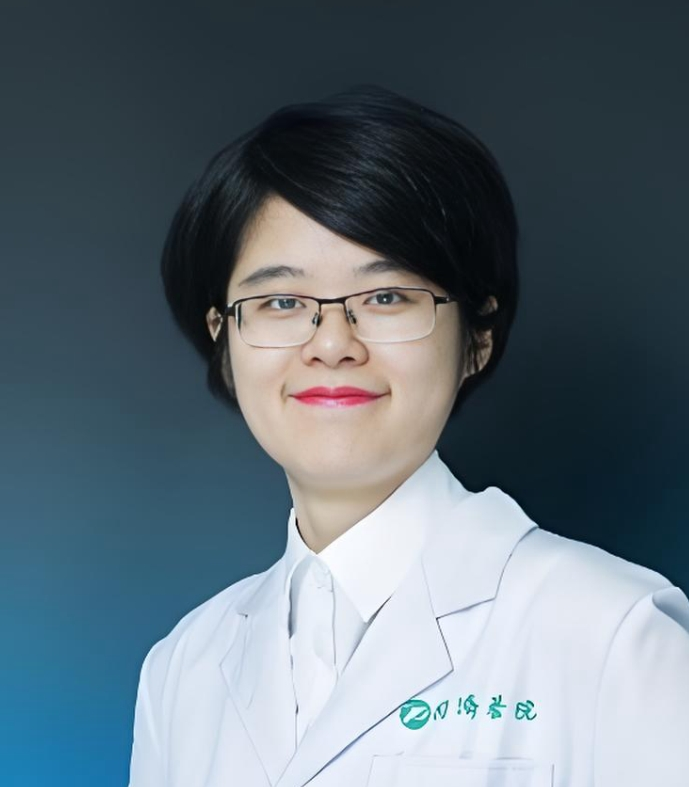
Chen Chen
professor of Cardiology, Chief
Physician and Doctoral Supervisor of
Tongji Hospital, Tongji Medical College, Huazhong University of
Science and Technology, Wuhan,
China.
Title:AI and cardiovascular diseases
Abstract:
Advanced computing technologies,
including artificial intelligence (AI), computational simulation,
and extended reality, are reshaping
cardiovascular medicine. These tools mark the onset of a new era
of computational acceleration and promote a
shift from reactive treatment to proactive health management. AI
enables accurate image interpretation,
disease risk stratification, and data-driven drug discovery.
Computational simulations support virtual
surgical planning and the design of personalized cardiovascular
devices. Virtual clinical trials further
enhance precision and accelerate medical technology development.
Together, these innovations enable
efficient data processing and real-time clinical decision support,
driving cardiovascular medicine toward
more predictive, preventive, and personalized models. Future
progress will depend on closer integration
between medicine and engineering, advances in explainable AI, and
seamless multimodal data integration.
These directions are critical for innovation in cardiovascular
health management, interdisciplinary talent
cultivation, and the creation of an intelligent and equitable
health ecosystem.
Biography:Chen
Chen is a professor of Cardiology,
Chief Physician and Doctoral Supervisor of Tongji Hospital, Tongji
Medical College, Huazhong University of
Science and Technology, Wuhan, China. She mainly engaged in the
pathogenesis of cardiovascular diseases and
related translational research. Under the continuous funding of
the National Natural Science Foundation of
China Outstanding Young Science Foundation Project, the Joint Fund
Key Project and the Hubei Provincial
Natural Science Foundation Innovation Group Project, she has
conducted in-depth researches on the
therapeutic target discovery for heart failure.
She has revealed multiple non-canonical mechanisms of miRNAs, such
as transcriptional activation and
translation activation, in different subcellular organelles
leading to heart failure mediated by
mitochondrial dysfuntion. Meanwhile, she developed antisense
oligonucleotides and rAAV-based delivery
strategies for miRNA therapies against heart failure and MASH, and
antibody drug therapies for myocarditis.
She has published more than 50 SCI papers with more than 3700
citations with the H-index of 34, and was
selected as one of the top 2% of global scientists for the single
recent year for four consecutive years
(2021-2024). Her research was included in a number of domestic and
international guidelines. She has won 2
first prizes of provincial and ministerial natural science awards
and the 11th Jiang Bining Award in 2021.
She has obtained 10 authorized national invention patents, 3 of
which have been converted. She also won 2
Excellence Awards in the China Medical Device Innovation and
Invention Competition in 2023 and 2024.

Ming Lv
Director of Technical Solutions for Smart Healthcare, Baidu
Intelligent Cloud Group (ACG)
Title: Transforming Healthcare with the ERNIE Model
Abstract:
Currently, we are standing at a pivotal historical moment where
large-scale model technology is reshaping
the healthcare industry. This speech will first analyze how, under
the guidance of the national AI strategy,
large-scale models have triggered innovations in AI computing
paradigms and engineering restructuring, using
Baidu's PaddlePaddle and ERNIE large-scale models as examples to
elucidate the core approaches to full-stack
technology development. Next, it will delve into specific
scenarios in hospitals and the biomedical and
pharmaceutical sectors, exploring the challenges and value of
constructing medical vertical large-scale
models, sharing practical applications of large-scale models in
disease-assisted diagnosis and treatment,
scientific research, and patient health management, and showcasing
their full-chain innovative explorations
in the life sciences field, from basic research to drug
development. Finally, we will look ahead together,
focusing on the evolution of complex reasoning capabilities in
large-scale models, post-training technology
routes, and the application restructuring they drive. We will
emphasize how to overcome core challenges such
as multimodal fusion and the construction of clinical reasoning
chains, ensuring that large-scale models
serve clinical diagnosis and treatment and patients' full-cycle
health management safely and efficiently,
while exploring cutting-edge interdisciplinary applications at the
intersection of medicine and engineering,
jointly ushering in a new chapter in medical intelligence.
Biography:
Ming Lv is the Director of Technical Solutions for Smart
Healthcare, Baidu Intelligent Cloud Group (ACG).
With nearly 20 years of experience in artificial intelligence and
internet-based digital services, she has
deep
expertise in AI innovation and application scenarios within the
healthcare and life sciences industries.
Currently serving as Director of Technical Solutions for the
Innovative Healthcare Department at Baidu
Intelligent Cloud,
she previously held positions as Senior Architect at IBM (China)
and Dean of the Corporate Research
Institute at
STCN Healthcare. Her technical focus spans artificial intelligence
architecture, large language model
technologies
and their applications, big data and cloud computing, as well as
the application of large models in
healthcare.

Lei Bi
Associate Professor at
Shanghai Jiao Tong University, PhD Supervisor.
Biography:
Lei Bi is an associate professor with
the Institute of Translational Medicine at the Shanghai Jiao Tong
University. Prior to that, he was a
lecturer with the School of Computer Science at the University of
Sydney and was a research fellow at the
Australia Research Council Training Centre for Innovative
BioEngineering. He received his PhD degree from
the University of Sydney. His current research focus is on
multi-modality medical image analysis and
visualization, and he collaborates alongside with hospital and
industry partners to translate the research
outputs into clinical applications. His research has produced
excellent results including more than 60
papers in leading venues in the field such as in Medical Image
Analysis, IEEE TMI, CVPR, MICCAI etc and
accumulated over 5900 citations. He has received competitive
research grants from government and industries
such as the ARC DECRA, DAAD AINet Fellowship, Australian Tour de
Cure early career research grant.
Currently, he is a guest editor for NPJ Digital Medicine, an
associate editor for Frontiers in Radiology, an
associate editor for the Journal of Visual Computer.

Yanyan Chen
Professor-Level Senior
Engineer, Director of the Big Data & AI Office,
Vice Dean of the Institute of Digital Intelligence, Tongji
Hospital, Huazhong University of Science and
Technology.
Biography:
Chen Yanyan, PhD is a professor-level
Senior Engineer and serves as Director of the Big Data &
Artificial Intelligence Office and Vice Dean of the
Institute of Digital Intelligence at Tongji Hospital, Tongji
Medical College, Huazhong University of Science
and Technology. She is a Standing Committee Member of the Medical
AI Committee of the Chinese Hospital
Association, Deputy Chair of the Medical Informatization Committee
of the Chinese Women Physicians
Association, a Member of the Smart Healthcare Committee of the
Chinese Association of Integrative Medicine,
and Deputy Chair of the Information Management Committee of the
Hubei Hospital Association. She holds CDMP,
CISA, PMP, and ITIL certifications. Dr. Chen has led seven
research projects, including grants from the
National Natural Science Foundation of China, and received the
Second Prize of the Hubei Provincial Science
and Technology Progress Award. Her work focuses on healthcare
big-data governance and translational clinical
AI.

Yong Gao
Chief Physician, MD, Director
of Orthopedics at Union Hospital, Tongji
Medical College, Huazhong University of Science and Technology.
Biography:
Professor Yong Gao is professor and
Chief Physician of Orthopedics at Union Hospital, Tongji Medical
College, Huazhong University of Science and
Technology; MD and Director of the Information & Data Center;
former Visiting Scholar at the University of
Michigan Medical Center. Holds executive and committee roles
including Standing Member of the Information
Management Committee of the Chinese Hospital Association, Member
of the Medical AI Committee of the Chinese
Hospital Association, Vice Chair of the Hospital Information
Committee of the Hubei Society of Health
Statistics and Informatics, Vice Chair of the Health Information &
Internet Medicine Committee of the China
Medical Education Association, Secretary-General of the Hubei
Society for Intelligent Medicine, and Member
of the National Expert Committee on the Clinical Application of
Antitumor Drugs. Honors include “Top 100
County Hospital Presidents in China,” “Hubei Model Worker—Jingchu
Role Model—Most Beautiful Health and
Family Planning Worker,” and “Top Ten Doctors of Jingzhou.”

Neng Huang
Director, ERNIE Model Data Ecosystem Center
Biography:
Currently serving as the Head of the Data Ecosystem Center for
Baidu’s ERNIE Large Language Model, Neng
Huang specializes in the field of AI-driven data assets. He is
committed to promoting the inclusive
development of large language model technologies through
value-driven data mining and ecosystem
construction. His work focuses on full-chain innovation in data
collection, governance, circulation, and
scenario-based applications, providing high-quality data support
for ERNIE’s training and facilitating
breakthroughs in AI technology and its industrial implementation.
Neng Huang holds both Master’s and Bachelor’s degrees in Computer
Science from Huazhong University of
Science and Technology. He has previously worked at leading IT
companies such as Microsoft and JD.com,
accumulating extensive experience in internet commercialization
across domains including marketing, cloud
computing, and intelligent healthcare.

Hai Li
Chief Physician, Master's
Supervisor, Director of the Information Center
and Deputy Director of the Thyroid and Breast Surgery Department
at Wuhan Central Hospital.
Biography:
Dr. Li Hai is a Chief Physician and
Master's Supervisor at Wuhan Central Hospital, serving as the
Director of the Information Center and Deputy
Director of the Thyroid and Breast Surgery Department. He holds
multiple important academic positions,
including Standing Director of the National Health Industry
Enterprise Management Association, Standing
Committee Member of the 1st Integrated Rehabilitation Professional
Committee for Multiple Primary and
Unknown Primary Tumors of the Chinese Anti-Cancer Association, and
Committee Member of the Interventional
Minimally Invasive Thyroid Branch of the China Medical Education
Association. At the provincial and
municipal levels, he concurrently serves as Vice Chairman of the
Youth Committee of the Breast Cancer
Professional Committee of the Hubei Anti-Cancer Association, Vice
Chairman of the Breast and Thyroid
Professional Committee of the Hubei Microcirculation Society, Vice
Chairman of the Youth Physicians Branch
of the Wuhan Medical Doctor Association, and Committee Member of
the Yangtze River Academic Belt Breast
Cancer Group (YBCSG), actively promoting cross-regional academic
exchanges.

Liu Jun
Deputy Director, Senior Engineer
Biography:
Liu Jun is a Senior Engineer and MBA graduate from Huazhong
University of Science and Technology. He holds
multiple leadership roles in China's digitalization and
standardization sectors, including positions in the
China Enterprise Digitalization Alliance and the Chinese
Association of Drug Abuse Prevention and Treatment.
He led the development of Hubei's first fully monitored
intelligent pharmaceutical production line,
recognized with a Provincial Science and Technology Progress
Award. His previous experience includes senior
positions at Wuhan Jianmin Pharmaceutical, Wuhan Aimin
Pharmaceutical, and other major industrial firms.

Yufei Ren
Deputy Director of the
Computer Center, Senior Engineer, Tongji
Hospital, Tongji Medical College, Huazhong University of Science
and Technology.
Biography:
He is currently Deputy Director and
Senior Engineer of the Computer Center at Tongji Hospital
Affiliated to Tongji Medical College of Huazhong
University of Science and Technology (HUST), concurrently serving
as Deputy Director of the Institute of
Information Medicine at HUST and Vice Chairman of the Youth
Committee of the Health Information Special
Committee of Hubei Provincial Health Statistics and Information
Association. With over 15 years of in-depth
experience in the research and development of hospital information
systems and the formulation of health
information standards, he has presided over 4 provincial and
ministerial-level scientific research projects
(including those funded by the National Health Commission) and
published more than 30 academic papers. He
took the lead in formulating 2 national health industry standards
as the first drafter and participated in
drafting 14 others. He also serves as Associate Editor-in-Chief of
Construction and Application of Chinese
Medical Terminology System published by People's Medical
Publishing House. He has won one Third-Class Prize
of the Chinese Medical Science and Technology Award and one
Third-Class Prize of the Hospital Technological
Innovation Award of the Chinese Hospital Association.

Minghuan Wang
Professor and Chief Physician,
Department of Neurology, Tongji Hospital,
Tongji Medical College, Huazhong University of Science and
Technology.
Biography:
Dr. Wang Minghuan is a Professor and
Chief Physician in the Department of Neurology at Tongji Hospital,
Tongji Medical College, Huazhong
University of Science and Technology. A recipient of numerous
prestigious honors, he has been selected for
the National High-Level Young Talents Program, awarded the Hubei
Provincial Outstanding Youth Fund, and
recognized among the first cohort of the Hubei Provincial
Outstanding Young Talents. He is also an inaugural
member of the Chinese Stroke Association's
"Stroke Future Leaders Program." Dr. Wang has secured significant
research funding, serving as Principal Investigator for one Key
R&D Project and one Young Scientist Project
from the Ministry of Science and Technology, as well as three
grants from the National Natural Science
Foundation of China. He contributed to the Neurology textbook,
part of the National Health Commission's
"14th Five-Year Plan" teaching materials. With over 30 published
SCI papers that have garnered more than
4000 citations, he has authored six ESI Highly Cited Papers. His
professional appointments include Vice
Chairman of the Brain Neuroscience Committee at the China
Pharmaceutical Innovation and Research Development
Association, and holding memberships in several specialized
committees within the Chinese Society for
Neuroscience, Chinese Medical Doctor Association, and Chinese
Stroke Association.

Zhang Li
Director of the Department of
Ultrasound Medicine, Director of the
Ultrasound Research Laboratory, Deputy Director of the Institute
of Cardiovascular Diseases at Union
Hospital, Tongji Medical College, Huazhong University of Science
and Technology.
Biography:
Professor Li Zhang is a distinguished
physician-scientist specializing in cardiovascular ultrasound at
Union Hospital, Tongji Medical College,
Huazhong University of Science and Technology (HUST), where she
holds multiple leadership roles including
Director of the Department of Ultrasound Medicine and Deputy
Director of the Institute of Cardiovascular
Diseases. She is a Fellow of both the American Society of
Echocardiography (FASE) and the American College
of Cardiology (FACC), and has been recognized with prestigious
awards including the National Excellent Young
Scientists Fund.
Professor Zhang leads significant clinical and research
initiatives in ultrasound artificial intelligence,
molecular ultrasound, and medical device innovation. She has
authored over 110 SCI-indexed papers in
top-tier journals such as Circulation, European Heart Journal, and
Nature Communications. Her contributions
have earned her several high-profile honors, including the 2024
Chinese Medical Science and Technology Youth
Award and multiple Hubei Provincial Science and Technology
Progress First Prizes.

Tong Zhang
Associate Researcher at
Pengcheng Laboratory
PhD Supervisor, Adjunct
PhD Supervisor at Southern University of Science and Technology
Secretary
General of the CCF Digital
Medicine Subcommittee.
Biography:
Dr. Tong Zhang is an Associate
Researcher at Pengcheng Laboratory, PhD Supervisor, and Adjunct
PhD Supervisor at the Southern University of
Science and Technology. He also serves as the Secretary General of
the CCF Digital Medicine Subcommittee and
is recognized as a High-Level Overseas Talent introduced by
Shenzhen. Dr. Zhang received his PhD from the
University of Sydney, Australia, and completed his postdoctoral
fellowship at King’s College London. His
research focuses on post-training of multimodal large models and
spatiotemporal analysis. He has led and
participated in multiple key national and provincial research
projects, including the National Natural
Science Foundation of China Regional Joint Fund and the Guangdong
Natural Science Foundation General
Projects.
Dr. Zhang has published more than 50 papers in top international
journals and conferences such as IEEE
journals, Lancet sub-journals, AAAI, ACM-MM, and MICCAI, with two
papers selected as ESI Highly Cited Papers
and over 2,800 citations on Google Scholar. He has been invited to
give special academic reports at leading
global universities and research institutions, including the
Technical University of Munich, Peking
University, and Sun Yat-sen University.
He received the 2022 Shenzhen Artificial Intelligence Excellence
Service Award and led his team to win the
championship of the ImageCLEF-24 International Medical Image
Captioning Competition.

Zeng Xincheng
Scientific Computing Lead, Yangtze Scientific Computing (Hubei)
Information Technology Co., Ltd.
Senior AIDD Algorithm Scientist
Biography:
Zeng Xincheng is a Senior AIDD Algorithm Scientist at the Yangtze
River 3D Scientific Computing Center. He
primarily focuses on building and optimizing scientific computing
service systems across the full spectrum
of drug development scenarios. With profound theoretical expertise
and extensive industrial experience in
molecular modeling, property prediction, and generative models,
his work is dedicated to advancing the deep
integration and innovative application of computational science in
the biomedicine field.

Long Zheng
Distinguished Professor,
Huazhong University of Science and Technology
(HUST), Recipient of the National Excellent Young Scientist
Fund.
Biography:
Distinguished Professor and Doctoral
Supervisor of Huazhong University of Science and Technology
(HUST), Recipient of the National Excellent
Young Scientist Fund and Hubei Provincial Outstanding Young
Scientist Fund. He obtained his Doctor of
Engineering degree in Computer System Architecture from HUST in
2016 and conducted academic exchange visits
at the Parallel and Distributed Computing Center of Nanyang
Technological University, Singapore from 2014 to
2015.His research primarily focuses on emerging fields such as
large AI models, graph computing, and data
streaming. He has published over 80 papers in prestigious
international academic conferences and journals in
the field of computer systems, including ISCA, MICRO, HPCA, USENIX
ATC, DAC, and SC. He has been granted 14
national invention patents and 6 US patents.Over the past five
years, he has presided over more than 10
projects, including the National Key Research and Development
Program Young Scientists Project, the National
Natural Science Foundation of China (NSFC) Original Exploration
Program Project/General Program/Young
Scientists Project, Huawei Joint Laboratory Projects, and the
Zhejiang Lab Key Project. He also serves as a
core member of several national-level projects, such as the
National Key Research and Development Program
Projects/Topics and NSFC Key Programs.He has won 4 Best Paper
Awards/Nominations at important international
academic conferences, including FPGA'23, APPT'21, and PACT'18, as
well as the Best Presentation Award at
CGO'15. His research achievements were selected for the National
"13th Five-Year Plan" Science and
Technology Innovation Achievement Exhibition. He led his team to
win the global championship of the
IEEE/MIT/Amazon GraphChallenge, the most influential graph
computing competition, for three consecutive
years (2021-2023), marking the first domestic victory in 2021.Some
of his key technologies have been applied
in enterprises and institutions such as Tongji Hospital Affiliated
to Tongji Medical College of HUST, State
Grid Corporation of China, Ping An Technology, Zhejiang Tmall, and
Baidu PaddlePaddle. Partial prototype
systems have been open-sourced at https://github.com/CGCL-codes/.
His achievements have been reported by
more than 30 mainstream media outlets, including People's Daily
(WeChat Official Account), South China
Morning Post, AI Era, and DeepTech.
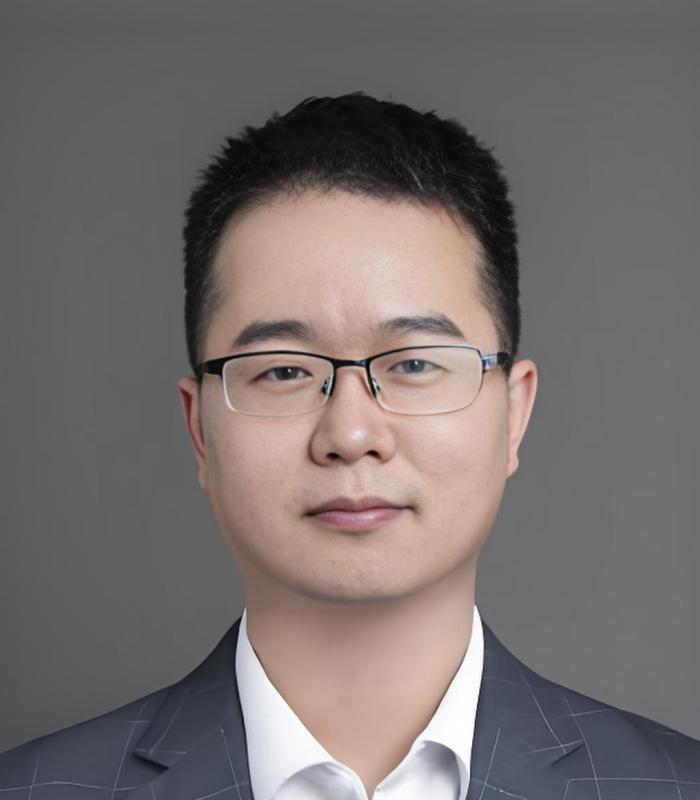
Yahui Li
Director of the Editorial
Department of Computer Science
Executive
Director of Chongqing Computer Society
Member of China
Computer Society (CCF)
Member of China
Association for Artificial Intelligence (CAAI)
Youth
Editorial Board Member of Academic Publishing
and Communication.
Title: Integrating disciplines and
creating intelligent future: the forging path for
high-quality development of Computer Science
Abstract:
In recent years, the academic
indicators of Computer Science have been increasing year by year,
and its international influence is also
constantly improving. It has been included in important domestic
and foreign database such as Peking
University Chinese Core, CSCD (Core Library), China Science and
Technology Core, Scopus, DOAJ, etc. The
report will focus on introducing the measures taken by Computer
Science in attracting high-quality
manuscript sources, strictly controlling manuscript quality, and
serving authors, hoping to provide a higher
quality academic exchange platform for researchers.
Biography:
Yahui Li is the Director of the
Editorial Department of Computer Science, Executive
Director of the Chongqing Computer Society,
Member of the China Computer Society (CCF), Member of the China
Association for Artificial Intelligence
(CAAI), and Youth Editorial Board Member of Academic
Publishing and Communication. He has been
successively awarded as an outstanding editor
(president)/editorial director of the "West Cow Plan," an
academic renowned editor/excellent editor of Chongqing Publishing,
and an outstanding management talent of
Chongqing Journals.
He is mainly engaged in the editing, publishing, operation, and
copyright work of scientific and
technological journals. He has hosted or participated in
subprojects of the National Key R&D Program,
Chongqing Talent Program, Chongqing Key Academic Journal
Publishing Funding Project, and the "Yu Bian Ren He
Fund" Project of the Chongqing University Journal Research
Association. He has published multiple papers in
journals such as Editorial Journal and Publishing and
Copyright.

Qing Ye
Ph.D. in Management, Senior
Engineer, Master's Supervisor, External
Mentor at The Chinese University of Hong Kong (Shenzhen).
Title:Artificial
intelligence based
multispecialty mortality prediction models for septic shock in a
multicenter retrospective study
Medical Innovation: From Research to Publication
Abstract:
Septic shock is one of the most lethal
conditions in ICU, and early risk prediction may help reduce
mortality. We developed a TOPSIS-based
Classification Fusion (TCF) model to predict mortality risk in
septic shock patients using data from 4872
ICU patients from February 2003 to November 2023 across three
hospitals. The model integrates seven machine
learning models via the Technique for Order Preference by
Similarity to an Ideal Solution (TOPSIS),
achieving AUCs of 0.733 in internal validation, 0.808 in the
pediatric ICU, 0.662 in the respiratory ICU,
with external validation AUCs of 0.784 and 0.786, respectively. It
demonstrated high stability and accuracy
in cross-specialty and multi-center validation. This interpretable
model provides clinicians with a reliable
early-warning tool for septic shock mortality risk, facilitating
early intervention to reduce mortality.
Biography:Ph.D.
in Management, Senior Engineer,
Master's Supervisor, External Mentor at The Chinese University of
Hong Kong (Shenzhen). Deputy Director of
the Big Data and Artificial Intelligence Office, and Deputy
Section Chief of the Information Management
Department at Tongji Hospital, Tongji Medical College, Huazhong
University of Science and Technology.
Research Focus: Medical big data, machine learning, artificial
intelligence, e-health, large language
models, and related fields. Research Experience: Has led and
participated in over 10 research projects.
Published more than 20 papers in recent years in journals
including npj Digital Medicine, Internet Research,
Electronic Markets, Information Processing & Management, Journal
of Medical Systems, Frontiers in Public
Health, and JMIR mHealth and uHealth.

Mai Wang
Director of the Editorial
Office of Health Data Science (English
edition), Director of the General Management Department at the
National Research Institute of Health Data
Science, Peking University, and Director of the Education and
Communication Laboratory at the Smart
Healthcare Research Center, Institute for Advanced Study in
Information Science and Technology, Peking
University (Zhejiang), with the rank of Senior Research Fellow.
Title:Health
Data Science Drives
Medical Innovation: From Research to Publication
Abstract:
This report focuses on the current
research and applications of Health Data Science and Medical
Artificial Intelligence in the healthcare
field, and introduces the role of the Health Data Science journal
in the dissemination of scientific
research achievements and interdisciplinary cooperation. It sorts
out the development trends of Health Data
Science, and through key cases published in the Health Data
Science journal—including clinical AI image
diagnosis, public health big data monitoring, and smart hospital
management—demonstrates data-driven medical
innovation research and the value of interdisciplinary
collaboration. The report will also introduce the
writing characteristics of interdisciplinary forum articles, as
well as the journal's indexing status,
manuscript submission directions, and scientific research
cooperation opportunities.
Biography:Wang
Mai currently serves as Director
of the Editorial Office of Health Data Science (English edition),
Director of the General Management
Department at the National Research Institute of Health Data
Science, Peking University, and Director of the
Education and Communication Laboratory at the Smart Healthcare
Research Center, Institute for Advanced Study
in Information Science and Technology, Peking University
(Zhejiang), with the rank of Senior Research
Fellow.
Health Data Science is sponsored by Peking University and
undertaken by the National Research Institute of
Health Data Science, Peking University. Academician Qimin Zhan
serves as the founding Editor-in-Chief.
Selected into the "High-Start New Journals" program of China's
Excellent Action Plan for Science and
Technology Journals in 2020, the journal was reselected into the
"English Journal Tier Program" in 2024. It
has been indexed by renowned international databases including
ESCI, PubMed, Scopus, and DOAJ, and is also
included in the Chinese Core Journal of Science and Technology and
the Chinese Science Citation Database
(CSCD).

Liwen Xu
Lecturer at the Furong
Laboratory, Central South
University
Title:Multi-omics intelligent computing reveals
tumor-immune interactions
Abstract:
In recent years, cancer immunotherapy
has made remarkable progress as an essential component of
precision medicine. However, the complexity of
tumor–immune system interactions—particularly their roles in
immune evasion and drug resistance—remains a
major challenge in both scientific research and clinical practice.
To address these challenges, the speaker
has proposed a series of approaches based on deep learning and
large language models, focusing on key areas
such as tumor genomic immune regulation, intercellular
communication, and DNA–protein interactions. These
efforts aim to gain deeper insights into the mechanisms of
tumor–immune interactions, providing more precise
and interpretable biological understanding for cancer
immunotherapy.
Biography:Liwen
Xu, Lecturer at the Furong
Laboratory, Central South University. Selected for the Youth
Talent Support Program of the China Association
for Science and Technology (2023). Serves as Secretary-General of
the Hunan Society of Bioinformatics and
Chair of the Academic Exchange Committee of the Hunan Society of
Biomedical Engineering.
She has presided over the National Natural Science Foundation of
China (Youth Program) and the China
Postdoctoral Science Foundation (General Program), and has served
as a subproject leader for the Hunan
Provincial Key R&D Program. In addition, she has participated as a
key member in nine national and
provincial-level projects, including the National Key R&D Program
of China and the Joint Research Project of
the Macao Science and Technology Development Fund and the National
Natural Science Foundation of China.
Her main research focuses on AI-driven multimodal machine learning
models for precision cancer
immunotherapy. As first or corresponding author (including
co-corresponding), she has published 12 papers in
leading international SCI journals such as Nature Communications,
Cancer Research, Briefings in
Bioinformatics, and Big Data Mining and Analytics. Her
publications include one ESI Highly Cited Paper, with
a single paper cited up to 544 times. Her representative work,
“TIP” provides a convenient computational
platform for analyzing tumor immune phenotypes, enabling
immunologists and clinical researchers to perform
rapid, efficient, and comprehensive analyses. To date, it has been
accessed and used more than 28,000 times
across 70 countries and regions, and was highlight reported by the
Journal Cancer Research.